

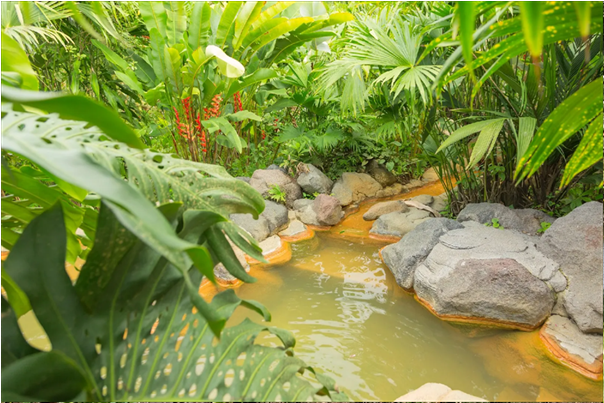
If you are interested in creating a thriving pond ecosystem, then you will need a careful balance. Unlike flowing waterways, ponds are closed systems needing regular maintenance.
Key elements include:
- Aquatic plants for oxygenation and shade
- Proper fish stocking
- Efficient filtration
- Controlled sunlight exposure.
With mindful care and natural processes working together, your pond can become a healthy, beautiful water feature.
Although complicated pond equipment factors, such as the advanced Evolution Aqua Pond equipment, can make life easier in terms of maintenance tasks, it is the ability to supplement rather than displace nature formulations that reveals the real magic.
To get professional advice regarding this balance, be sure to visit That Pond Guy, an expert in sustainable pond design that integrates the most innovative technologies with environmentally friendly methods, delivering successful water ecosystems.
The Role of Aquatic Plants
Plants are the lungs of any pond, providing both beauty and biological benefits:
- Oxygenators – Submerged plants like hornwort improve water quality naturally.
- Floating plants – Water lilies reduce algae by shading sunlight.
- Marginal plants – Plants purify and cleanse impurities from runoff using reeds and irises.
Native species planted in a mixture form a self-sustaining environment, which lessens the dependency on mechanical filtration.
Smart Fishkeeping Practices
Fish add life to ponds but require thoughtful management:
- Stock moderately – Overcrowding results in too much garbage and algae bloom.
- Avoid overfeeding – The Remaining food decays, creating an imbalance in the water balance.
- Protect wildlife – Fish can consume tadpoles in small ponds, so it can be good to segregate breeding ponds.
Adding the benefit of environmentally friendly (Evolution Aqua) Pond filtration provides the pond owner with the clarity previously only achieved through the use of chemicals.
Filtration: Nature vs. Technology
A hybrid approach works best for long-term pond health:
- Mechanical filters – Clean up the mess before it has the chance to decompose.
- Biological filters – Consume healthy bacteria to dissolve the toxins.
- Natural alternatives – Wildlife ponds can be equipped with plant-filled bog areas to act as an alternative, or an addition, to filters.
For koi ponds, That Pond Guy often recommends systems that mimic natural wetlands while incorporating reliable pumps.
Sunlight and Shade Balance
Microclimate management prevents common issues:
- Partial shade – 4-6 hours of sun sustains plants while limiting algae.
- Floating covers – Water hyacinths provide adjustable shade.
- Tree placement – Leaves fallingfrom trees near can provide shade during summertime and lose it during fall.
The construction planning stops any expensive modifications from being made afterward.
Maintenance Made Sustainable
Reduce workload while supporting ecology:
- Rainwater top-ups – Avoid chlorine by using collected rainwater.
- Seasonal care – Buildup is prevented by spring cleaning and autumn netting.
- Eco-friendly equipment – Solar-powered aerators and skimmers minimize energy use.
Final Thoughts
The most effective ponds are those that complement nature rather than contradict it. By combining the control of nature with smart technology, such as Evolution Aqua Pond equipment, and your environmental ideology, you can create a low-maintenance hideaway that lasts for years.
That Pond Guy provides individualized consultation and solutions to your projects and respects innovation and its place within the natural environment.
