

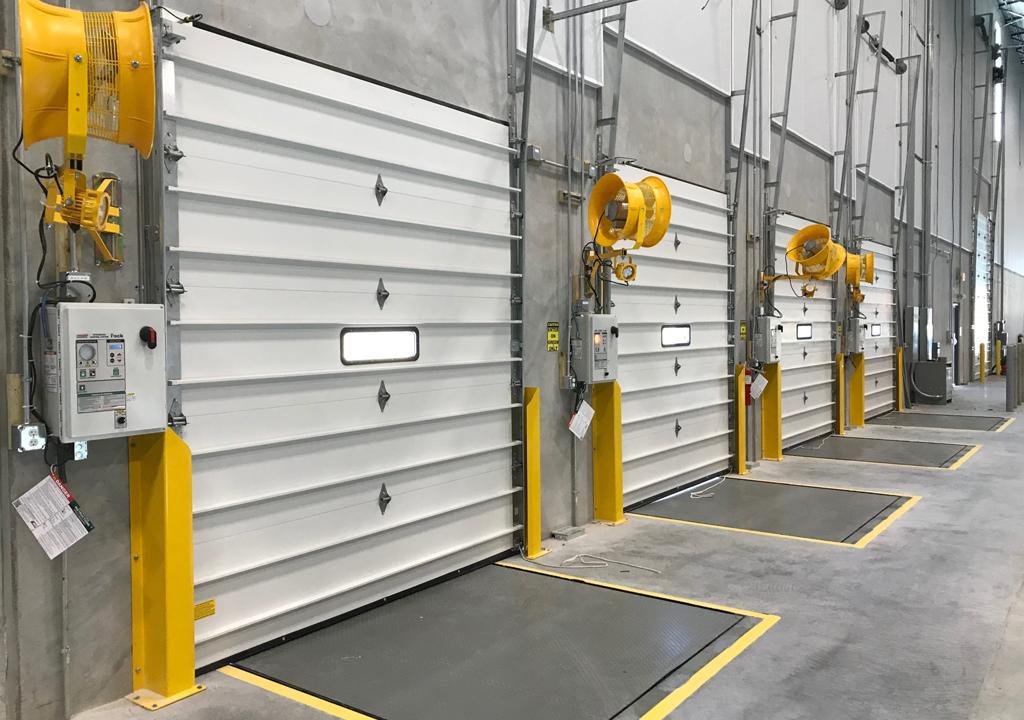
Energy loss at the loading dock can drain thousands of dollars from a facility’s bottom line before anyone even notices. While dock seals look simple, small installation mistakes can sabotage energy savings, create safety risks, and even cost you dearly in repairs. Spotting, and avoiding, the most common pitfalls will protect both your budget and your building.
Common Mistakes That Drive Up Energy Costs in Dock Seal Installation
Overlooking Proper Measurements and Fit
Misjudging the dimensions of your dock opening or failing to account for the range of truck sizes that use your bay is a recipe for air leaks. A seal that is too small or too large will never provide a truly tight enclosure, no matter how well it’s installed. Energy escapes through these gaps, forcing your HVAC system to work harder and increasing utility bills.
Ignoring the Type of Dock Seal Best Suited for Your Facility
Not all dock seals are created equal. Installing a basic pad seal when your operation would benefit from an adjustable head curtain, or choosing a standard solution for nonstandard trailer heights, can leave you with ineffective protection. This oversight not only impacts energy performance, but also exposes your building to weather and contamination.
Poorly Sealed Edges and Gaps That Cause Air Leaks
No matter how high-quality the seal, improper closure at the corners or along the edges allows drafts to creep through. Over time, even minor gaps add up, especially in regions with extreme temperatures. Inconsistent sealing also invites pests and moisture inside, compounding the operational costs.
Case Study: How a Warehouse Saved Thousands by Correcting Installation Errors
A regional distribution center found its energy bills climbing despite recent upgrades. The culprit? Faulty dock seal setups were letting conditioned air escape during each loading and unloading cycle.
Initial Energy Loss Due to Faulty Dock Seal Setup
Thermal imaging revealed telltale plumes of hot and cold air seeping around the dock doors. The warehouse’s first attempt at installation had overlooked the variety in trailer heights, resulting in seals that didn’t make consistent contact.
Identifying Installation Flaws Through Energy Audits
An energy audit documented where and how much air was escaping. The most glaring issues: misaligned seals, compressed foam that had lost its spring, and mounting brackets that left open gaps.
Steps Taken to Retrofit and Improve Seal Integrity
Technicians replaced worn-out seals with adjustable and inflatable models, ensuring a tight fit regardless of trailer type. Edges were reinforced to prevent gaps, and regular maintenance was scheduled to catch future wear.
Quantifying the Energy and Cost Savings
Within a year, the facility reported a 14% drop in energy costs linked directly to improved dock seal integrity. The investment paid for itself within the first two years, with ongoing savings projected for every season.
Choosing the Right Dock Seal for Maximum Energy Efficiency
Selecting the best dock seal begins with matching the product to your operational realities. Consider features like head pads versus adjustable curtains, and whether fixed or inflatable seals will adapt to your truck traffic.
| Dock Seal Type | Best For | Pros | Cons |
|—————————————|—————————————|——————————-|——————————-|
| Fixed Head Pad Dock Seal | Consistent trailer heights | Simple, durable | Less adaptable |
| Adjustable Head Curtain Dock Seal | Variable trailer heights | Flexible, better seal | Slightly higher cost |
| Inflatable Seals and Shelters | High variation in vehicle sizes | Superior sealing, minimal gaps| Requires inflation system |
Material durability is also crucial. Look for weather-resistant fabrics and sturdy frames, especially if your docks see heavy use or harsh climates. Inferior materials degrade quickly, ruining both your seal and your savings.
Installation Best Practices to Prevent Costly Errors
Aligning the dock opening and incoming trailers perfectly is essential for an effective seal. Misalignment results in wasted energy and increased wear on the seals. Mounting techniques vary by seal type, fixed pads may need different brackets than inflatable models, so following manufacturer guidelines is a must.
Ongoing maintenance cannot be ignored. Regularly check for compressions, tears, and debris buildup, as even minor issues can open the door (literally) to energy loss. A quick monthly inspection can prevent expensive breakdowns.
Avoiding Structural Damage and Safety Hazards
Improper dock seal installation does more than waste energy. It can cause structural damage by putting undue pressure on building walls or doors, and increase the risk of accidents as workers navigate poorly fitted spaces. Seals and shelters also act as safety barriers, protecting staff from moving vehicles and harsh weather.
A real-world example: One facility minimized repair costs after a truck misaligned with the bay. Their properly installed shelter absorbed the impact, sparing the loading dock from significant structural harm.
Leveraging Professional Expertise and Technology
There are times when DIY installation is simply not worth the risk. Professional installers use specialized tools and techniques to ensure a precise, lasting fit. Investing in expert help, especially for complex setups, can prevent recurring issues.
Technologies like thermal cameras and seal wear monitors help staff proactively catch problems before they escalate. Training warehouse teams to spot and report minor issues keeps small gaps from becoming big headaches.
For operations serious about efficiency, exploring resources like Door Doctor dock seals can provide tailored guidance and product recommendations to ensure you get it right the first time.
Long-term Energy Savings: Monitoring and Continuous Improvement
Energy savings is not a one-time achievement. Schedule regular inspections and periodic energy audits to maintain high performance. As new innovations in dock seal technology emerge, consider upgrading to capture even greater efficiency.
Facilities that adopt a proactive approach, combining smart product choices with vigilant monitoring, enjoy not only lower energy bills but also safer, more resilient loading dock operations. Long-term, the difference is measured not just in dollars saved, but in peace of mind.
