

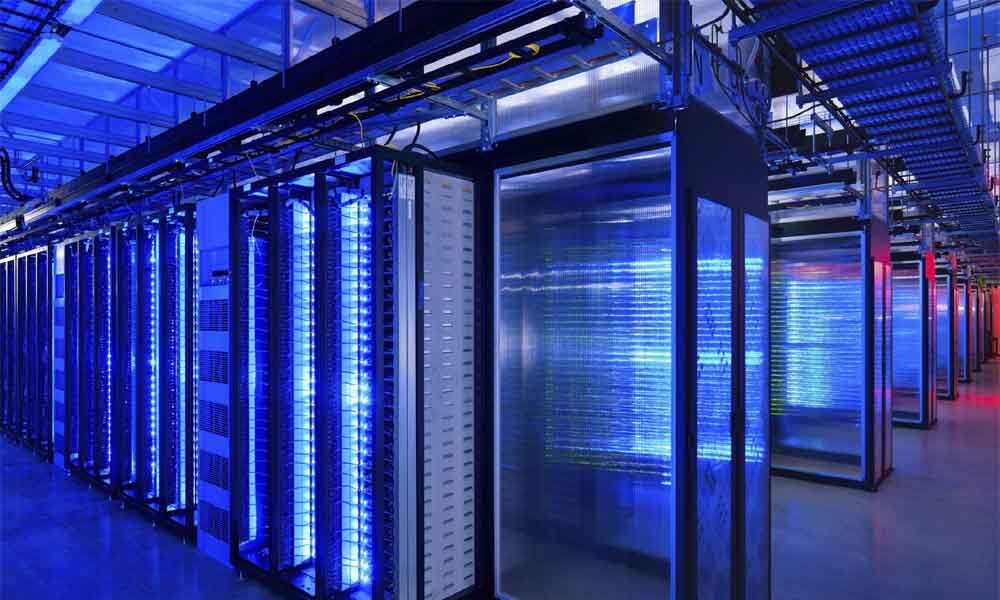
Every data center blueprint begins with a question: can you deliver today’s service requirements while adapting to tomorrow’s demands? Long-term resilience and adaptability are no accident; they are architectural decisions made years in advance. The secret to a successful facility lies in marrying immediate reliability with future-ready flexibility, especially when power needs are only set to grow.
What Are the Core Power Requirements for a Long-Term Data Center?
Power is the lifeblood of any data center, and planning long-term starts with honest, data-driven calculations. Simply guessing at your future kilowatts is a recipe for expensive retrofitting down the line.
How to Calculate Future Power Needs Accurately
The right approach blends historical data with industry projections. Start by analyzing current rack densities, anticipated client workloads, and expected technological advancements. Then, factor in not only regular growth but also emerging technologies that could spike usage, like AI and edge computing. Build in a buffer, future proofing means overshooting slightly now to avoid headaches later.
Why 10 MW Is a Common Benchmark for Large Facilities
A 10-megawatt (MW) threshold is not arbitrary. It allows large-scale operators to support thousands of servers, meet high redundancy requirements, and offer ample room for expansion. Facilities like the 109,000 sq.ft. Montreal data center were built around this benchmark, striking a balance between capacity and cost-effective operation.
Understanding Autonomy: The Role of Backup Generators and 48-Hour Power Resilience
Power failures are non-negotiable risks. True resilience requires backup generators configured for full facility load. The gold standard, at least 48 hours of autonomy without external power, is achieved by oversized fuel reserves, redundant generator setups, and rigorous maintenance schedules. This window gives operators time to restore grid power or arrange refueling, even in severe emergencies.
How Can Flexibility Be Built Into Data Center Design?
Change is inevitable, but costly tear-downs are not. The real art lies in building a space that can morph as needs shift, technology evolves, and new clients arrive.
What Does Modularity Mean in Data Center Architecture?
Modularity is the design philosophy of constructing independent, interchangeable sections. Think of it as LEGO for data centers: core infrastructure can be scaled or replaced without disrupting the rest. Power, cooling, and IT spaces are compartmentalized, which means expansions and upgrades can happen in phases, minimizing downtime and capital outlays.
How to Design Spaces That Adapt to Changing Technology and Client Needs
Flexible layouts avoid hyper-specialized spaces that could become obsolete. Raised floors, movable partitions, and scalable HVAC systems help spaces transition between uses, be it denser racks, high-security client zones, or new equipment footprints.
The Importance of Cleanrooms and Specialized Spaces for Flexibility
Facilities serving high-tech industries often require cleanrooms for sensitive processes. Integrating a 35,000 sq.ft. cleanroom, as seen in the Montreal project, expands the client base and application scope. Such areas must be both isolated from contaminants and accessible for maintenance, striking a balance between security and adaptability.
What Are the Key Architectural Standards to Follow?
Data center reliability is measured in tiers, with the Uptime Institute setting the global benchmark.
What Is the Uptime Institute Standard Between Class 2 and 3?
Class 2 facilities offer redundant capacity but may have single points of failure, while Class 3 steps up with multiple independent distribution paths and concurrent maintainability. Many modern projects target a design between these classes, balancing cost with enhanced reliability.
How These Standards Impact Design Choices and Reliability
Stricter standards require double the infrastructure, dual feeds for power, network, and cooling, directly impacting floorplans, budgets, and operational procedures. Even a step between Class 2 and 3 means more robust risk mitigation and client confidence.
Balancing Cost with Compliance and Risk Mitigation
It’s tempting to chase the highest tier, but overbuilding wastes money if client needs do not justify it. The smart play is to target the sweet spot: robust enough for 99.99% uptime, lean enough to stay affordable.
How Do You Ensure Scalability Over a 20-Year Lifespan?
Twenty years is an eternity in tech. Staying relevant requires modularity, foresight, and a willingness to future-proof the bones of your facility.
What Modular Solutions Support Long-Term Growth Without Major Overhaul?
Prefabricated power pods, scalable cooling modules, and modular IT enclosures make phased expansion easier. These can be added independently as demand grows, avoiding expensive, disruptive overhaul.
How to Plan for Incremental Power Capacity Expansion
Design electrical rooms, cable trays, and distribution systems with future loads in mind. Leave space for larger transformers and extra cabling, even if you do not need them on day one.
Strategies for Future-Proofing Cooling and Electrical Infrastructure
Smart infrastructure uses variable speed drives, hot/cold aisle containment, and upgradable chillers. These systems adapt to different loads, minimizing wasted energy and smoothing the path to denser deployments.
What Role Does Site Selection and Building Layout Play?
A facility’s power efficiency and reliability start with its address and blueprint.
How to Optimize Building Footprint for Power Distribution Efficiency
Compact, well-planned layouts minimize cable runs, reduce transmission losses, and streamline maintenance. Adjacent power rooms and clustered IT zones keep infrastructure tight and reliable.
Why Location Matters for Energy Access and Environmental Controls
Proximity to reliable utility feeds, low-risk flood and seismic zones, and favorable climate conditions all factor into site selection. Lower cooling requirements in northern climates, for instance, can translate into major operational savings.
Integrating Cleanroom and Technical Areas Within the Overall Design
Specialized spaces should be both physically secure and operationally accessible. Their placement must allow for stringent environmental controls without isolating them from core services.
How to Balance Construction Costs with Operational Efficiency?
Initial budgets can make or break a project, but operational costs quickly outpace upfront savings if corners are cut.
What Are Typical Cost Drivers in Data Center Construction?
Major expenses include electrical and cooling infrastructure, backup power systems, and specialized spaces like cleanrooms. Modular design can offset costs by deferring some expenses until expansion is needed.
How to Invest Wisely in Infrastructure That Reduces Long-Term Operating Expenses
Premium, energy-efficient transformers and chillers, advanced monitoring systems, and renewable-ready setups may cost more upfront, but they slash utility bills and maintenance later.
Case Study Insights from the Montreal 109,000 sq.ft. Data Center
This facility, built with modularity and a 48-hour generator system, showcases the benefits of planning for both flexibility and resilience. By balancing up-to-date standards, modular spaces, and scalable infrastructure, it demonstrates an approach worth emulating.
What Are the Best Practices for Implementing Complex Generator Systems?
Backup power is not negotiable, but the details matter.
How to Design for 48-Hour Autonomy Without Recharging
Calculate critical loads, add a buffer, and size fuel tanks for at least two full days of peak usage. Redundant generators ensure that even if one fails, the facility continues running.
Choosing Fuel Types and Backup Power Technologies
Diesel remains the standby, but natural gas and hybrid systems are gaining ground for cleaner operations. Evaluate local fuel availability and emissions regulations before committing.
Maintenance and Testing Protocols for Reliable Emergency Power
Regular “live” tests under load, scheduled refueling, and strict inspection routines are vital. Skimping here risks everything.
How to Align Data Center Planning with Client and Industry Needs?
The best infrastructure serves not just today’s customers, but those a decade from now.
What Are Common Client Expectations Over a 20-Year Horizon?
Clients want adaptability, bulletproof uptime, cost efficiency, and environmental responsibility. They expect the facility to evolve in step with their own ambitions.
How to Incorporate Feedback Loops for Continuous Improvement
Regular reviews, user feedback, and performance benchmarking ensure the facility never stagnates. Client needs shift; your design should too.
Leveraging Architecture and Engineering Expertise for Optimal Outcomes
Partnering with an expert like Stendel + Reich data center architect can make all the difference. Their experience in balancing modularity, power, and flexibility on large projects is a valuable resource for any ambitious build.
A data center’s strength is measured not just by the servers it powers today, but by the challenges it can handle tomorrow. Thoughtful planning, driven by smart architecture and industry insight, is the blueprint for a facility that stands the test of time.
