

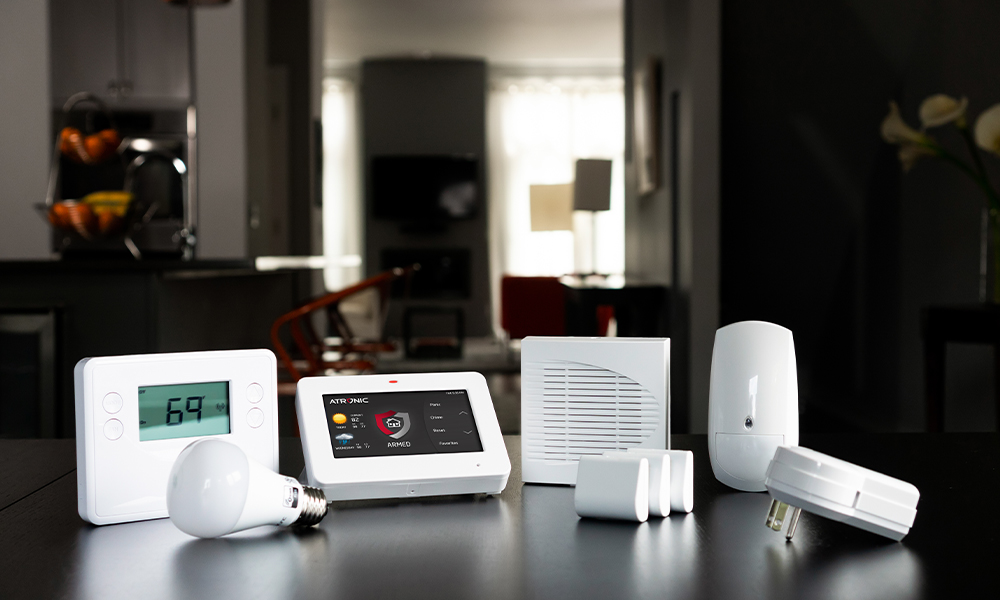
The use of security systems has become an integral part of property ownership within the city of Dallas. Gone are the days when property intruders and fires needed to be detected by means such as smoke detectors and sirens. Modern systems are equipped with the most efficient means to communicate warnings effectively. Installation, although the most essential element, has led to queries regarding the significance of opting for continuous monitoring services. For instance, property owners seeking services from the likes of https://paceprotections.com/dallas/alarm-company/ often find the option of 24/7 monitoring services. The main problem is whether the need exists and whether the option is not a product of cost considerations.
Understanding How 24/7 Monitoring Works
A monitored alarm system is usually linked to a central monitoring station staffed by trained professionals. When a sensor registers suspicious activity, like a forced entry, smoke, or glass breaking, the system alerts the monitoring center. Operators check the signal, and if it is real, they notify emergency services.
Self-monitored systems send alarms to the owner’s phone directly, but with professional monitoring, it is assured that someone will always be there to respond, even if the owner is unavailable. This factor of continuous coverage is often regarded as highly significant in big cities such as Dallas, where the response time and the verification processes can change the result.
The Benefits of Continuous Monitoring
One main point of 24-hour monitoring is uninterrupted protection. Emergencies are not planned, and incidents may happen when occupants are sleeping, traveling, or simply not in a position to respond. In such a case, a monitoring center can respond immediately.
Another benefit is the prompt coordination with emergency services. Monitoring stations adhere to set standard procedures of contacting local police or fire departments. Such an organized response may help to save time as compared to when property owners have to first evaluate alerts by themselves before deciding to call for help.
Insurance company policies also influence this. Certain insurance companies give premium rate concessions for professionally monitored systems since they are considered more secure.
The Potential Drawbacks
While continual monitoring can bring some advantages, it still has its recurring costs. Subscription fees might add up after a while, and not all households or businesses have a budget for that. People who are confident about handling alerts on their own might find self-monitoring more economical.
False alarms that occur almost unavoidably are another problem. Even though the current systems are so advanced that they can almost eliminate false alarms, the users’ mistakes or the environment can still trigger the system unnecessarily. If a person doesn’t have the system’s trust and they keep getting false alarms, or if more than one alarm goes off and the police are called without any real crime being committed in some cities, the person may have to pay a fine.
Moreover, sometimes people even worry about their privacy. Some do not like the idea of a remote monitoring center receiving signals from their property; however, most centers are compliant with very strict data handling regulations. Furthermore, if the property owners are usually there and are very watchful, then they might not fully appreciate the service of professional monitoring. Homeworkers or small business operators who are present on the site might think that they are capable of reacting to the alerts on their own.
Weighing the Decision
Determining the need for 24/7 surveillance varies based on various elements, for instance, the dimensions of the premises, the pattern of occupancy, hazard risk, and individual preferences. In cases where families frequently travel or possess valuable goods, surveillance may be considered helpful.
On the other hand, those who own smaller properties and enjoy more flexibility may benefit from self-monitoring, particularly when they are utilizing smart notifications and camera access. The decision would essentially be based on weighing the cost factors against the risk.
As security technology becomes more advanced, more options exist for installations and monitoring, allowing these measures to adjust to changing circumstances. In looking through information provided via reputable online websites like paceprotections.com, individuals may learn more about the benefits and drawbacks of 24/7 monitoring effectively.
