

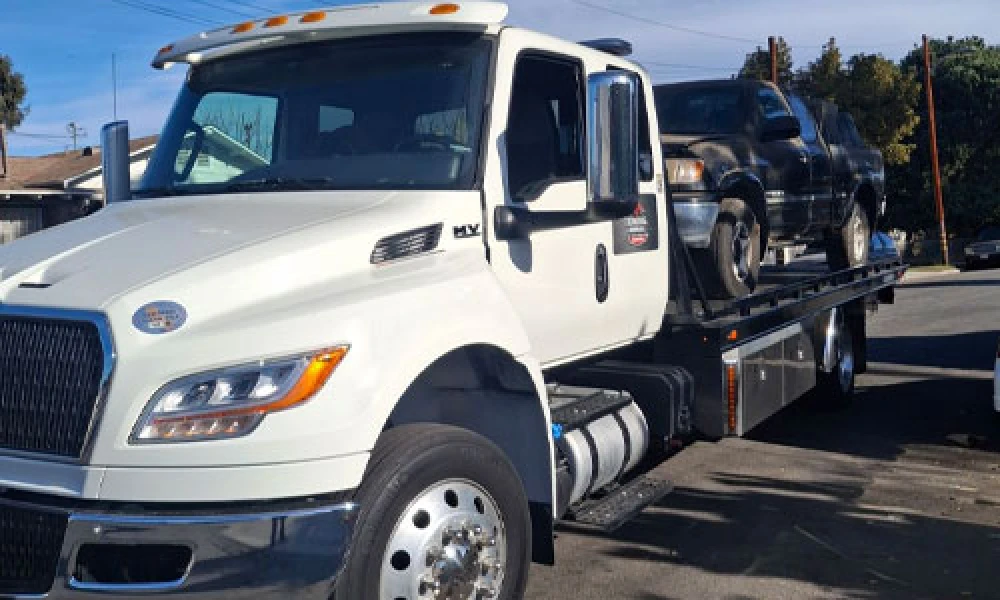
Vehicles without keys present unique challenges requiring specialised equipment and techniques for safe transport. Standard towing methods assume steering and braking capabilities are unavailable when keys are absent. tow truck operators follow specific procedures handling keyless vehicles without causing additional damage to steering systems, tyres, or drivetrains during loading and transport operations.
Step 1: Vehicle assessment
Operators examine vehicles thoroughly before selecting appropriate loading methods. Drive train configuration determines which wheels can roll freely and which require lifting. Front-wheel drive vehicles need front axles lifted, preventing drivetrain damage from rolling locked wheels. Rear-wheel drive configurations require opposite approaches with rear axles elevated during transport. All-wheel drive and four-wheel drive vehicles present additional complications since multiple axles connect through transfer cases, preventing free rolling on any axle without drivetrain damage. Transmission position gets checked when accessible through windows, since park positions lock driveshafts, preventing wheel rotation entirely. Automatic parking brakes on newer vehicles engage electronically without keys, creating additional immobilisation requiring specialised release procedures before any movement attempts begin.
Step 2: Steering lockout management
Locked steering columns prevent wheel turning during flatbed loading when vehicles need repositioning. Operators check the steering lock status before attempting any movement since forcing locked steering causes column damage and creates uncontrollable loading situations. Flatbed angle adjustments compensate for steering limitations by positioning trucks so vehicles load straight without requiring steering input during winching. Wheel dollies placed under front wheels allow directional changes without steering column involvement by rotating entire axle assemblies independently from locked columns. These portable platforms support wheel weight while enabling controlled direction changes needed for proper flatbed positioning. Careful dolly placement prevents tyre sidewall damage and wheel bearing stress during repositioning operations on uneven surfaces where dolly angles shift unexpectedly.
Step 3: Loading method selection
Flatbed loading suits most keyless vehicles since entire vehicles lift onto platforms without requiring any wheels rolling under power or free-rolling on road surfaces. Winching systems pull vehicles up flatbed ramps while operators guide wheels using dollies, compensating for locked steering. Wheel lift equipment works for vehicles with free-rolling axles by lifting driven axles completely off the ground. Sling lifting methods work for older vehicles without plastic body components vulnerable to sling contact damage. Equipment selection balances vehicle protection against operational efficiency, considering damage prevention as the primary factor when multiple loading options exist for particular vehicle configurations.
Step 4: Securing and transporting
- Four-point tie-down systems secure wheels to flatbed decks, preventing any movement during transport over uneven road surfaces.
- Chain placement avoids contact with brake lines, fuel lines, and suspension components vulnerable to damage from securing hardware.
- Safety chains provide backup retention beyond primary straps in case primary securing systems loosen during transport.
- Wheel chocks placed at the front and rear of each tyre prevent forward and backwards rolling when vehicles sit on flatbed platforms.
- Transport speed adjustments on curves and bumps prevent the securing system stress from sudden load shifts during vehicle movement.
Handling keyless vehicles requires a thorough drive train assessment, steering lockout management using dollies, appropriate loading method selection based on vehicle configuration, and proper securing procedures ensuring safe transport without causing additional mechanical damage during towing operations.
